
Bread Baking for Beginners: Everything You Knead to Know
Bread. We love it, you love it, everyone loves it. (Unless of course you’re celiac, in which case, F in the chat.)
After having done this blog for a while now, we are reasonably confident in our cooking skills. That being said, we also are both admittedly not great at baking. So we decided to ease ourselves into the world of baking by tackling…bread. 🍞
Want to make freshly baked, fluffy, warm, delicious better-than-grocery-store bread? Keep on reading.
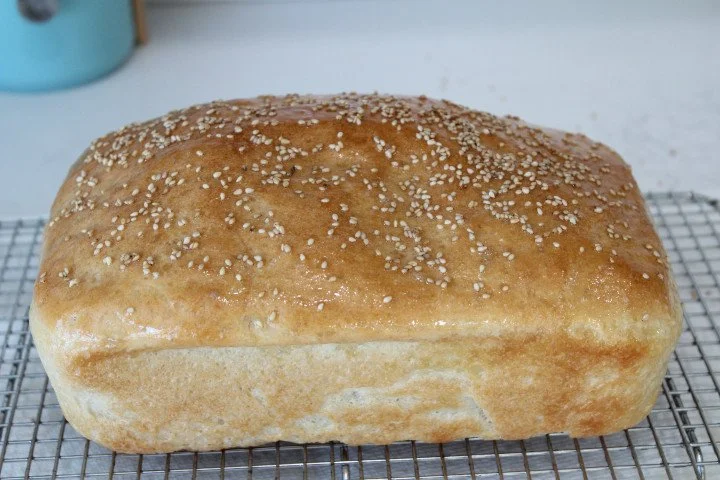
A humble loaf.
Bread Basics 🍞
Real quick, there are two types of bread: leavened and unleavened. In this post we are talking about leavened bread. Leavened means using a leavening agent (usually yeast) to make the dough rise prior to baking which will create light, fluffy bread.
There has been a sourdough stranglehold on the world for a few years now. We opted to not make sourdough because it seemed like a whole thing that probably deserves its own post (👀).
Bread Baking FAQs
Before you get started on your pioneer woman adventure:
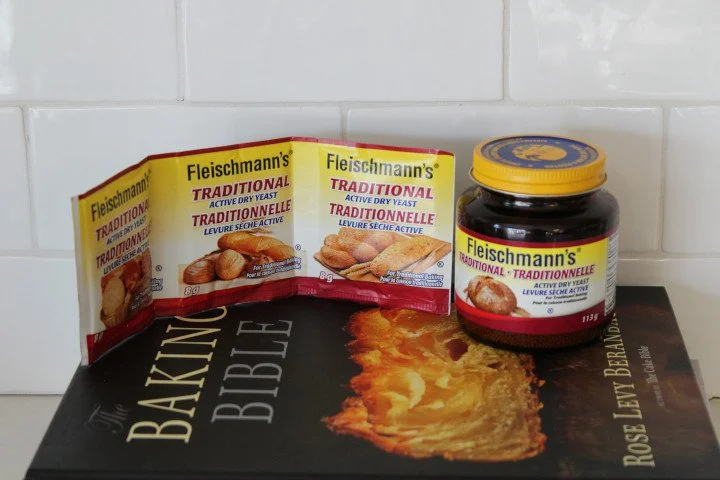
Should I use instant yeast or active dry yeast?
If you’re following a recipe, use what it tells you to use. That’s our mediocre advice.
Should I use all purpose flour or bread flour?
We used all purpose flour for all of the recipes we tried.
If you do some research, you’ll find that Canadian all purpose flour (hi, we’re Canadians) generally has a higher protein percentage than American AP flour. According to this Reddit thread, Canadian AP flour is more equivalent to an American high gluten bread flour. So if you’re American, maybe consider using bread flour.
How do I know if my yeast is active?
It’ll foam up and rise! It should be very obvious that it’s active and ready to use. If you’re unsure, take a picture when you first add the yeast and then take a picture after the 5-10 minutes is up. Here’s an example:
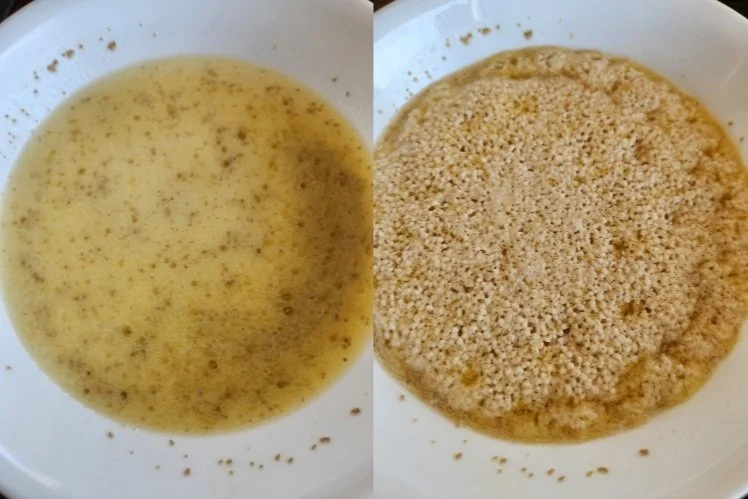
This recipe called for melted butter to be combined with your water and milk to activate your yeast, but that’s not really typical in our experience.
What if my dough isn’t rising?
Your yeast was dead. RIP. 💀 See the previous question.
How do you know your dough is done being kneaded?
Generally you’ll know that your dough is ready when it bounces back if you poke it. Your finger should also not have any sticky dough on it after the poke test.
Kneading bread is hard, ugh.
That’s not a question, but yeah, it takes some work. But it can also be relaxing or therapeutic. Let your mind go quiet and knead that dough. Or, cheat like us and use a stand mixer with the dough hook attachment.
Should I use cups or grams when measuring out flour?
Grams, next question. (But seriously though, use grams and develop a healthy trust issue for baking recipes that measure flour in cups and not by weight. More on that here.)
How can I make my bread gluten free?
Sub regular flour for gluten free flour. That being said, not all GF flour is made equal and you’ll have to experiment with a few until you find one that yields the best results. Some GF flours also have a binder (usually xanthan gum) mixed in so your dough sticks together. That being said, this post is not about baking for celiac folks (sorry). Brittany has past trauma from trying to bake bread for a celiac person in her life. It’s hard. Good luck.
How should I store homemade bread?
Homemade bread doesn’t have the same preservatives that bread you buy at the grocery store has (e.g. Dempsters or Wonder Bread), so it’ll go bad faster. The best way to enjoy your bread is the day of or the next day. It may last a couple more days, but if you don’t go through bread really fast then we recommend slicing it and freezing it so you can easily take out a slice when you want it.
Baking Bread: Let’s Practice!
Learn from our mistakes! Here are some recipes below to get you started. We’ve vetted these as good beginner recipes to try your hand at baking bread.
White Sandwich Bread 🍞
The basic. The OG. Good Ol’ Dependable. White. Sandwich. Bread. The thousands of 5 star reviews for this recipe did not lie, it was super simple and easy to make. The result was a perfectly adequate white sandwich bread. It took us back to the very rare times where our moms or grandmas would make fresh bread at home.
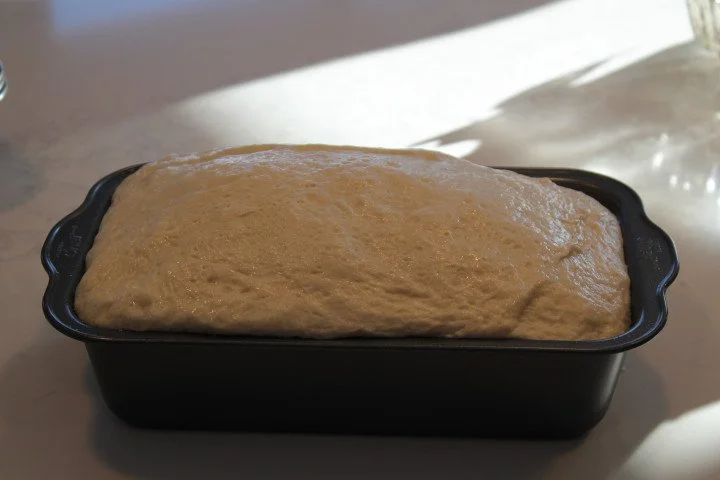
Ready for the oven.
This recipe is a good example of just trusting the process. There was a point where the dough seemed like it might be a bit too sticky, although it was bouncing back and passing all the other tests. We debated adding more flour, but ultimately decided to just trust the process and go with it. We are glad that we did because the bread turned out excellent—the extra flour would have definitely ruined it.
This recipe was also a good opportunity to know when to add on to a recipe. After we had pulled the bread out of the oven, and brushed the top with butter we decided to go off script and add some sesame seeds—turns out that was a great idea, 10/10 would do again.
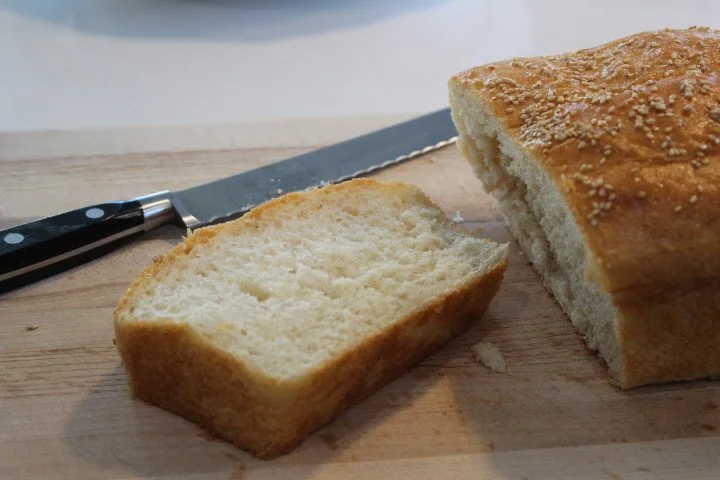
A thick piece o’ bread.
Garlic and Rosemary Focaccia
This is a recipe by Claire Saffitz, from her cookbook Dessert Person, but you can also find the recipe on her YouTube channel and can follow along.
Focaccia is a great beginner bread recipe to try because you don’t have to form it into a fancy shape. You just have to stretch it out on a sheet pan and sprinkle some goodness on top — in this case, fresh garlic and rosemary, but you could do whatever toppings your heart desires whether that’s a simple cheese focaccia or fancy sundried tomatoes and artichokes.
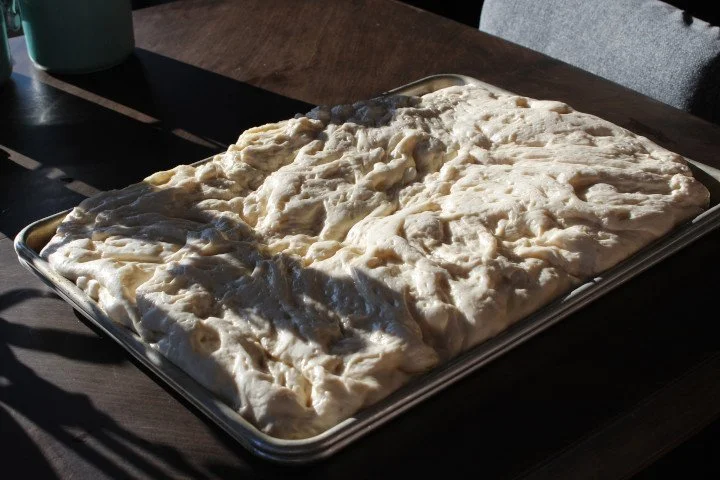
Dough is kinda sexy.
Baking is a science! The ratio of yeast, flour, and water is important. But one thing that you can change with this recipe is the amount of olive oil. The first time I (Brittany) made this, it was too oily for my taste. We recommend oiling up your pan enough to cover it fully but not so much that you have a thick layer of oil — we didn’t measure, but you could probably cut the oil for the pan to be ¼ instead of ½ cup, and just drizzle olive oil on top of the bread (again, didn’t measure). Use your eyes here.
Something that is mandatory no matter what flavor of focaccia you’re making: flaky sea salt. Sprinkle it on top. Don’t skip it.
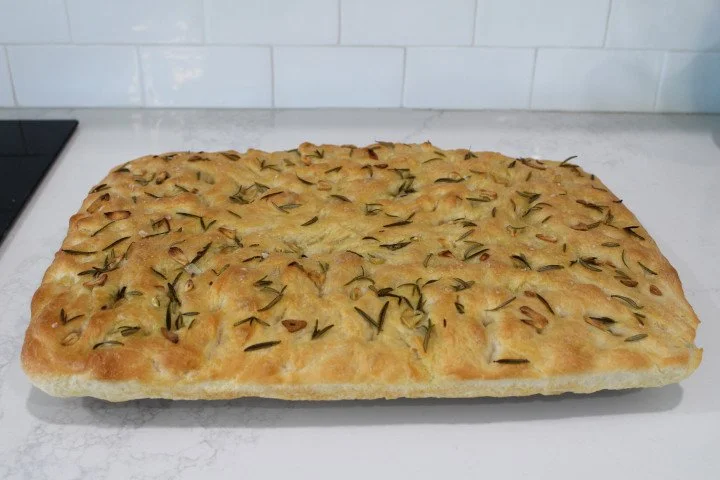
Ta-da! She’s beautiful.
Dinner Rolls
We went down a rabbit hole trying to find a recipe that would mimic the deliciousness that is King’s Hawaiian Original Hawaiian Sweet Rolls (we were originally trying to find a KFC copycat, more on that below). In the end, we decided that maybe this would be better in an intermediate-level bread making post, as it requires either buying potato flour (which most people don’t have readily available in their pantry) or making mashed potatoes to add to your dough.
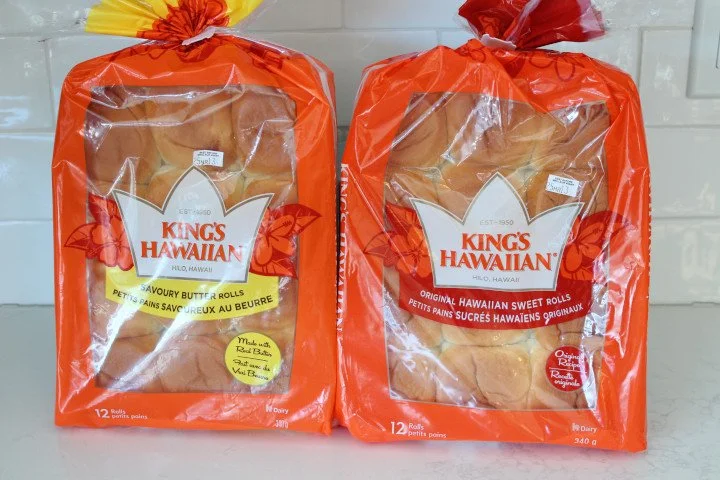
In the end we ended up settling on this dinner roll recipe by Tasty. It is a perfectly acceptable recipe that will yield delicious buns, although they won’t be as sweet as the Hawaiian sweet rolls that we were craving (but as we said, this recipe is not a copycat, just a solid dinner bun recipe).
After making this recipe and looking at the ingredients list of our beloved King’s Hawaiian rolls, we decided what must make them taste better is the sugar and not the potato flour (it’s much farther down the list of ingredients). So next time we make buns we’re going to add more sugar to see if we can replicate that same sweetness.
Two tips if you make this recipe:
Make sure you warm your milk up as well as your water — the ingredients just say milk and warm water, and then in the preparation it says combine warm milk, warm water. Don’t miss that part like we did the first time.
If you feel like your dough is too sticky, add more flour until you get the right consistency. If a recipe says, “press a finger into the dough to see if it bounces back” you want your bread to do just that.
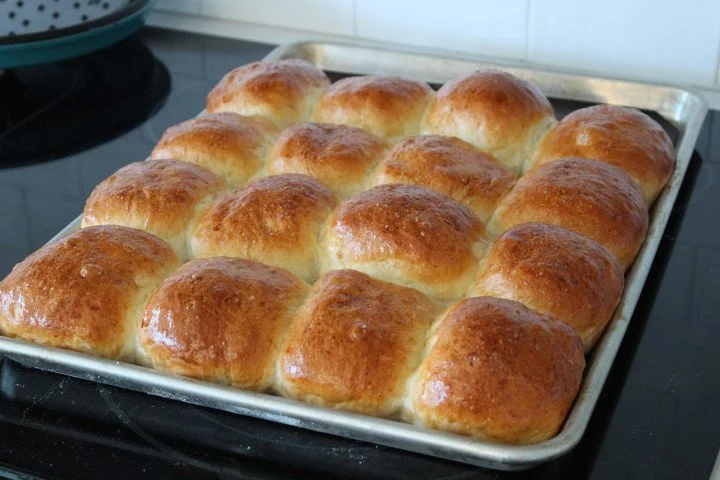
Damn.
🍞 Mediocre Tangent: KFC used to have dinner rolls here in Canada. Both of us remember them from our childhood. They were light, fluffy, and impossibly sweet. We tried so hard to find a copycat recipe but we weren’t super successful, the closest we got was this ancient looking recipe. We have yet to try it out, so we’re not sure if that’s it. Our research also seemed to imply that not too many people remember KFC having dinner rolls. Was this something Brittany and Trevor both collectively hallucinated? Did we Mandela Effect ourselves? WE NEED ANSWERS.

We used to be a proper country.
Naan 🫓
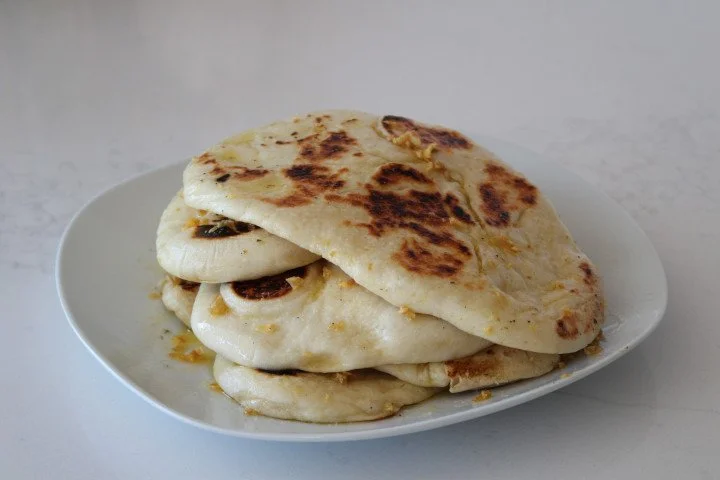
For our final experiment we wanted to try making a flat bread of some variety. We opted for this naan recipe by Preppy Kitchen. Both of us love Indian food, especially if there is garlic naan involved, so we decided to give it a try.
This might surprise you like it surprised us, but naan does require yeast, which means it will require at least one rise. The other big departure from the other bread recipes that we tried is the addition of yogurt into the dough. It’s another source of fat and will add a bit of tang to the flavor of the naan.
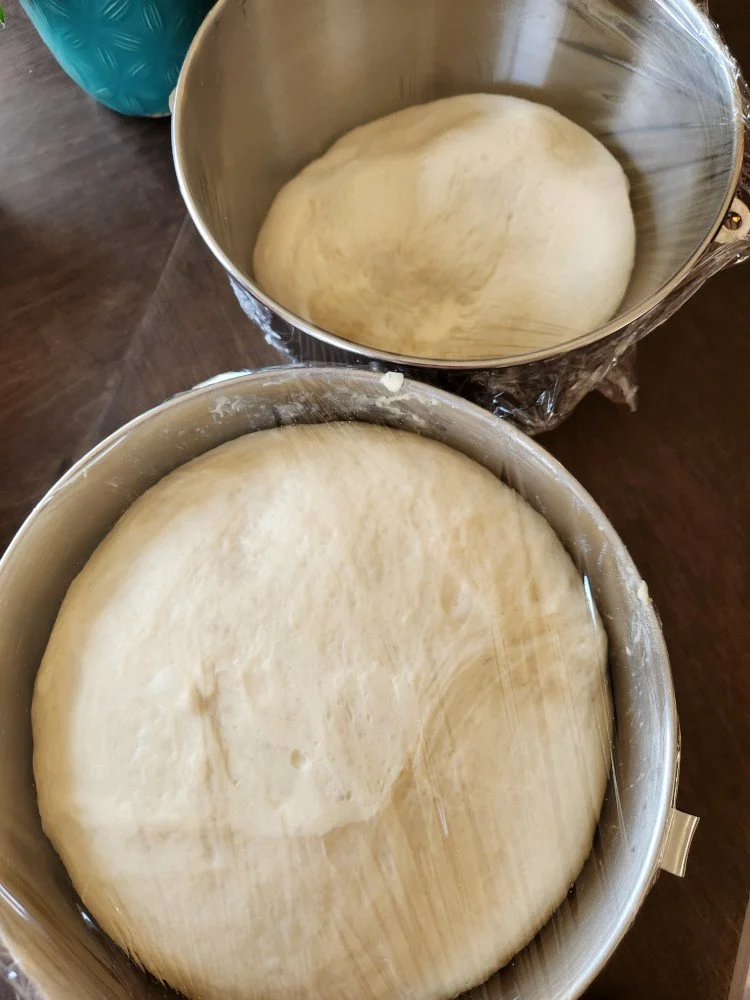
You vs the guy she tells you not to worry about.
The big thing with this particular recipe is to do a good job of separating the dough into equal pieces and rolling them out to the correct thickness. On the day of cooking we think we rolled them out a bit too thick. This isn’t necessarily a bad thing, but it will affect how long the naan takes to cook in the hot pan. If it takes too long to cook all the way through you might get some charred and burnt spots.
Of course, the big star of this show is the garlic ghee that you brush over the top. This shit slaps, so definitely don’t skip out on it. Also feel free to garnish with some chopped cilantro (assuming you aren’t cilantro adverse).
Stand Mixer: Do You Need One To Make Bread?
We had big hopes for this section. We were (and when we say we were, what we really mean is Trevor was) going to do a bunch of math and try to work out when purchasing a stand mixer for bread became a fiscally good idea. Turns out that would require more math than either of us is willing to do right now.
Anecdotally, having a stand mixer is an absolute blessing. (We both have this KitchenAid mixer.) It’s so nice to be able to just throw everything into a bowl and let the machine do the kneading for you. Of course, not everyone is as fortunate as we are to have access to stand mixers. Bread and other baked goods have been made for hundreds of years — long before stand mixers were ever a thing. And kneading by hand is a completely viable way of doing things. We just so happen to be lazy.

Do you need a stand mixer? No. Is it extremely convenient? Yes.
Obligatory Disclaimer: The above links are affiliate links that help us earn a small commission from your purchase (at no extra cost to you). Each purchase supports the blog so we can continue to make content! If you use these links, we really appreciate it!
Bread can be intimidating to make, but it’s really just mixing some things in a bowl, smacking around some dough, and then waiting for your dough to rise. Turns out idiots like us can make bread. So if we can do it, you can do it too.
You’ve made it to the end of our mediocre beginner’s guide to bread making. 🎉 If you make one of the recipes we made, let us know how it turns out in the comments below!