
The Very Confusing World of Spices: A White Person's Perspective
If you’re like us then you probably grew up with a rather limited set of spices: salt, pepper, maybe chili powder, maybe oregano. And whoever did the cooking for you probably thought, “this is good enough”. ¯\_(ツ)_/¯
But there is a whole world of spices and herbs out there! 🌎 They can add so much to a dish and really elevate your cooking.
But with all these different spices, have you ever wondered, “what do I use this for?” or, “what is the flavor profile for this spice?” or “what exactly is paprika anyways?” These are all questions that we had, and still have when it comes to spices. So join us as we take you on a journey through The Very Confusing World of Spices.
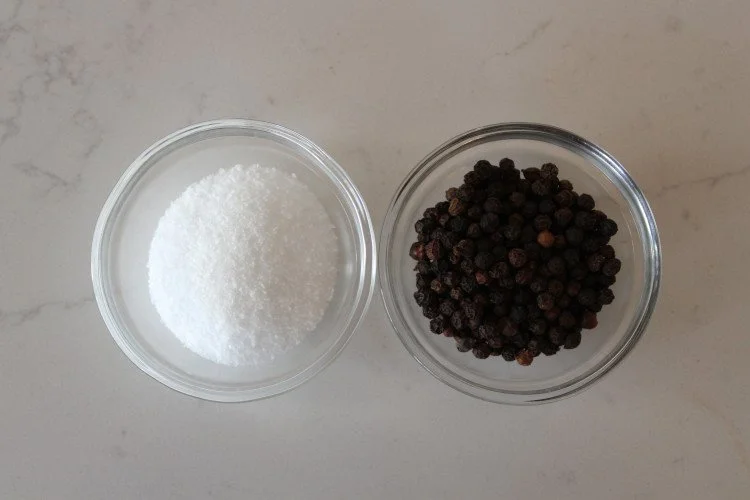
But First: Salt & Pepper 🧂
Maybe these were the only flavor boosters you grew up with. Or maybe your parents didn’t use salt and pepper at all. (Yikes, we’re sorry to hear that.)
Or if you grew up with a parent that had high blood pressure, they may have replaced your salt for Mrs. Dash. No shade (okay, maybe some shade) to Mrs. Dash, but when we had this as a kid it somehow tasted like nothing. And maybe that was because it was literally sitting in our cupboard for years before our parents finally reached for it (more on how long dried herbs and spices last at the end of this post).
Anyways, all that is to say is — salt and pepper are important. If you’ve ever read a recipe, many will say add salt “to taste”. (Unless it’s a baking recipe, in which case you’ll be given an actual measurement.) To taste can be confusing because it’s… vague. How much should you use? The prevailing wisdom from professional cooks is that you should add as much salt as you can get away with. If you were to add even a little bit more, the dish would be “too salty”.
Spices That Aren’t Spicy 👩🍳
Cumin
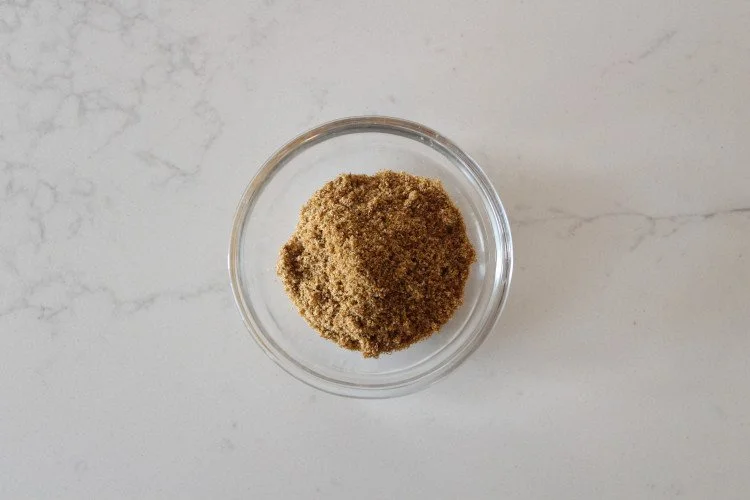
Did you know that cumin belongs to the same family as parsley? Yeah, we didn’t either. Cumin was always one of those spices that just sort of existed for us. We weren’t sure where it came from, it was just a spice that you added to dishes. It’s also an incredibly difficult flavor to describe. It just sort of tastes warm and earthy? It’s used everywhere, from curries to chili. Chances are you’ve had it many times before and may not even have realized it.
Paprika
Get ready to bust out your corkboard and red string for this one. We honestly don’t know where to even begin. And when you don’t know where to start, Wikipedia is a good bet.
Allegedly, Paprika is, “a spice made from dried and ground red peppers. It is traditionally made from Capsicum annuum varietals in the Longum group, including chili peppers.”
Okay, cool. In typical Wikipedia fashion that doesn’t really answer the question. But it does give us another jumping off point. So what is Capsicum annuum? Well, if you look it up, read the article, have your eyes glaze over, and read the article again, you learn that it (roughly) encompasses chili peppers and bell peppers.
So what is the Longum group? The webpage for HORT410 at Purdue University says that the Longum group, “includes the ‘hot’ chili and cayenne peppers; these have extreme pungency.”
So, based on all of this, Paprika is made from peppers, potentially including cayenne peppers, but it isn’t Cayenne Pepper (which we talk about below).
So what is Paprika then? Per Occo Spices article on the matter, “Paprika is a blend of dried, ground red chile peppers…But there are many different varietals of Paprika, each with their own unique flavor profile. In this way, Paprika is similar to wine in that the flavor profile of the same kind of wine (Chardonnay) will taste different depending on where it's grown and how it's processed.”
Right…🤷
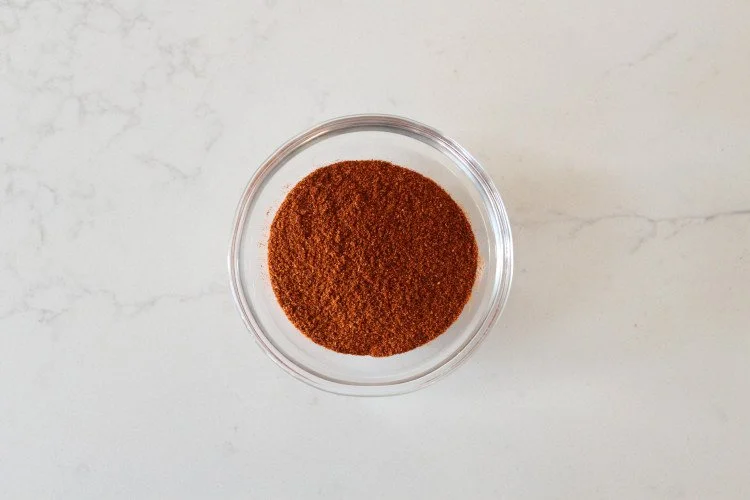
Now that you are thoroughly confused, allow us to confuse you even more: there are different types of Paprika. Most commonly there is Sweet Paprika, Hot Paprika, and Smoked Paprika (also Hungarian Paprika, but we don’t want to start with that one).
Is Sweet Paprika sweet? Not really. When you buy paprika in a grocery store in North America, it’s very likely that you are buying sweet paprika. Sweet paprika is the default.
Is Hot Paprika hot? Yes. It’s made from chilis that have some spice to them.
Is Smoked Paprika smokey? Yes. Smoked here is a modifier. You can have Smoked Sweet Paprika, Smoked Hot Paprika, etc. It just means that the chilis were smoked at some point before they were ground up.
So what kind of paprika should you use? Who the hell knows. Smoked paprika is almost always a good substitute for normal paprika. Other than that, just follow the recipe.
Coriander
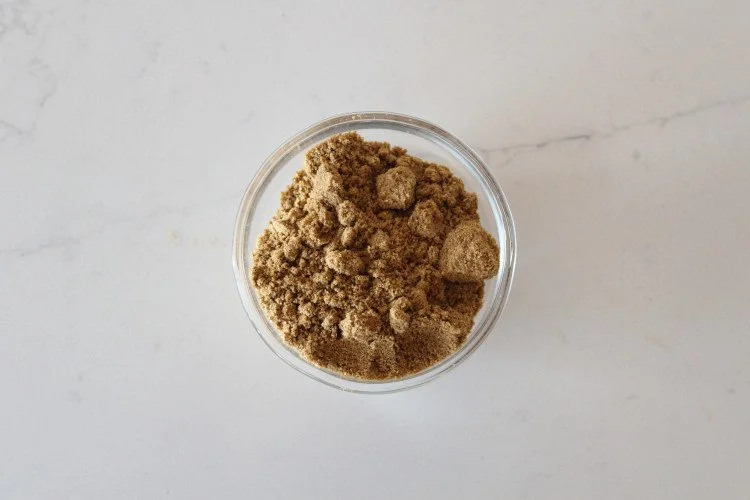
Coriander is just another name for cilantro. When you aren’t using the leaves and stalks to flavour your dishes, you can also grind up the seeds to flavor certain dishes. If you happen to have the gene that makes cilantro taste awful, then good news! You are probably okay with coriander seed. They add a citrus-y flavor to dishes without the cilantro of it all.
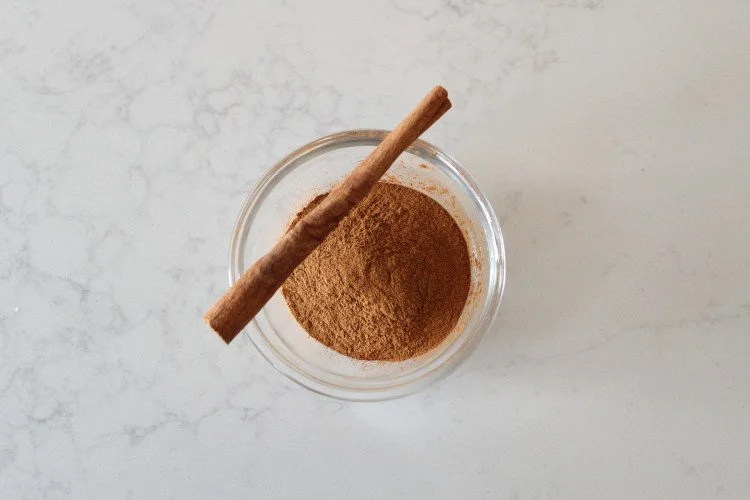
Cinnamon
If you’re white, you probably know what cinnamon is. It’s in your PSL (Pumpkin Spice Latte), you know what it tastes like. It’s delicious.
One time a cashier went on a rant about how the cinnamon we were buying wasn’t real cinnamon. Were we getting blindsided? Wake up sheeple!
Turns out they were wrong. The type of cinnamon most commonly found in stores in North America is cassia cinnamon — it’s the flavor you probably know and love. But there is also another type called ceylon which has a more complex flavor (it’s also more mild) and it comes with a higher price tag.
If you can get your hands on ceylon cinnamon, try it and let us know which you prefer!
Chili Powder
This is a bit of an odd one. In North America, the chili powder you buy from a grocery store is more like a spice blend. There’s generally dried and ground chilis, cumin, and a few other spices. In other parts of the world, chili powder will just be ground up chili peppers making it more like cayenne pepper or paprika.
Regardless of what type of chili powder it is, it’s great for chili or any soups and stews that you want a little extra kick out of. It also works really well as a component of a dry rub for meats (think ribs or a brisket).

Turmeric
Turmeric is that thing that your very health conscious aunt probably adds to everything. Per John Hopkins, turmeric can possibly be used to help deal with a myriad of different health issues including inflammation and muscle soreness.
When it’s not reducing inflammation, it can also be used as a spice for a variety of dishes. You can most often find it in Asian dishes. Turmeric generally has a taste somewhere between mustard and black pepper, with a bitter aftertaste.
Mustard
Yellow mustard: it’s good on hot dogs. But you probably shouldn’t put dried mustard seeds or ground mustard on your hot dog.
Mustard seeds are mostly used in pickling. We love the dill pickle recipe from this YouTube video that uses mustard seeds. Try it!
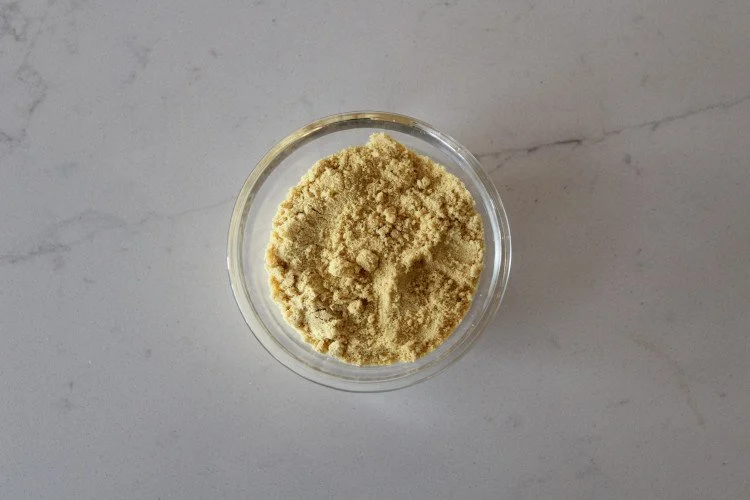
Ground mustard is obviously just dried mustard seeds that have been ground. Surprisingly, it makes macaroni and cheese taste better.
Fennel Seeds
Fun fact: fennel is an ingredient in Absinthe. Okay, that’s probably not the most important thing that you need to know about this herb, but we thought we should point it out anyway.
You’ll also find crushed fennel seeds in garam masala (see above). The seeds are also used in Italian food, such as ground Italian sausage and salami (called finocchio, it’s damn tasty).
Fennel is a little bit sweet, with a slight anise (licorice) taste. It’s a very distinct taste — it’s hard to explain, but it’s good.
Saffron
We weren’t sure if we should include saffron in this list or not. We haven’t had very many opportunities to experiment with saffron given the high cost of the spice. What does it taste like? Apparently like metallic honey. Sure, that’s not exactly what we’d call it. It’s a subtle floral flavor.
Saffron adds a lovely yellow color to whatever dish it’s being used in. (Check out this post to see what we’re talking about.)
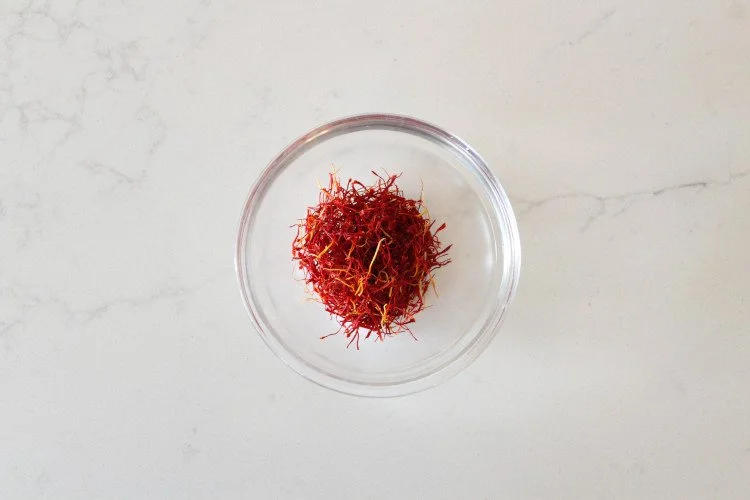
Saffron is expensive. Why? Because it's hand picked from a flower called crocus sativus!
Spices That Are Spicy 🌶️
Cayenne Pepper
Cayenne pepper is just the dried and ground up version of a cayenne pepper. It’s hot, it’s spicy, and it's ready for a good time. But not too much of a good time. Be very careful when adding it to dishes as a little will go a long way.
Mediocre Note: When doing research for cayenne pepper, the Wikipedia article says:
“The fruits are generally dried and ground to make the powdered spice of the same name, although cayenne powder may be a blend of different types of peppers, quite often not containing cayenne peppers, and may or may not contain the seeds.”
So cayenne powder doesn’t contain cayenne pepper? This sounds like a load of bullshit to us. We checked the source for that claim and were hit with an Error 404. When we put in the top level domain, it redirected us to a sketchy IT business solution website. What’s the lesson here, kids? Always check your sources. And if you can actually confirm, in a verifiable way, that cayenne powder quite often doesn’t contain cayenne pepper, please let us know.

Red Chili Flakes
AKA Crushed Red Pepper Flakes
If you’ve been around the blog for a while, you’ll know that we’ve had some run-ins with red chili flakes before. (Check out this post to see what we’re talking about.)
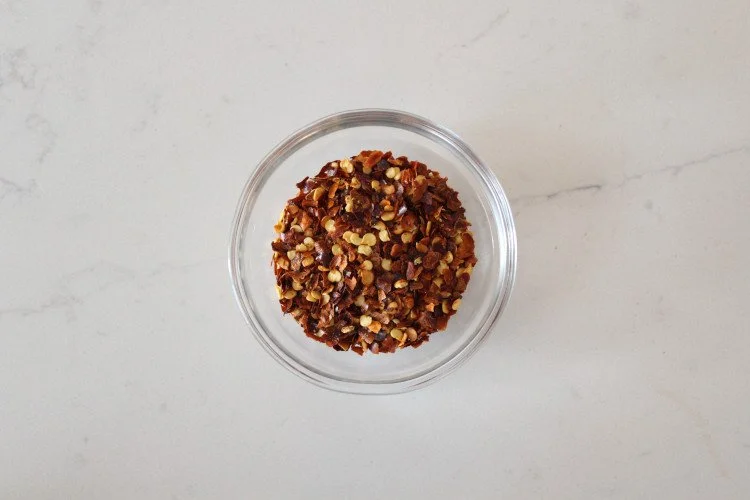
They are what they say on the tin: flakes of dried and crushed chili flakes. As far as we can tell, there is no discrimination when it comes to what part of the chili is included —seeds, pith, flesh, all are fair game. They are hot, much hotter than you might be expecting so be careful with them.
Sichuan Peppercorns
We haven’t used these at all for obvious reasons. We are white and our spice tolerance isn’t very high. If you see a menu item with “Sichuan” in the name at a Chinese restaurant, just know that the dish will be hot, mind-numbingly hot. It’s not the capsaicin that will make your tongue and lips go numb, it’s the hydroxy-alpha-sanshool interacting with your cell receptors. Science!
Turns out Sichuan peppercorns aren’t actually pepper. It’s not a pepper because it doesn’t have a stone. It’s a dried berry from a brush native to China, whereas pepper (like black pepper) are stone fruits. Fun fun.
Spice Blends
Za’atar
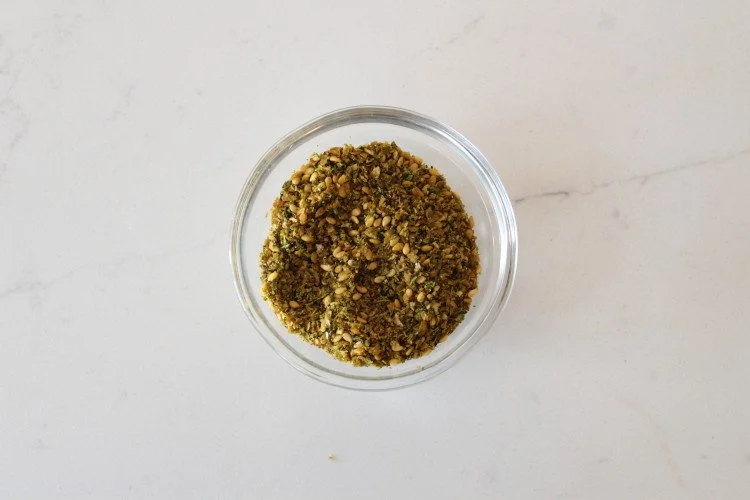
Za’atar is a spice blend that originates in the Middle East. Put simply: it slaps. Traditionally it is made up of za’atar (which is an herb in and of itself) sumac, sesame seeds, and salt. Of course, each region is going to have a slightly different blend of what constitutes Za’atar. In our part of the world, you can approximate za’atar by using oregano, sumac, sesame seeds, thyme, and marjoram.
Chinese Five-Spice
Pop quiz! How many spices are in Chinese Five-Spice powder?
If your answer was, “five, obviously” then we love you and you are precious and thank you for validating us. If you answered “more than five, obviously” then you’ve been paying attention to the very confusing world of spices.
The traditional 5 spices used in a five-spice powder are star anise, cloves, Chinese cinnamon, Sichuan pepper, and fennel seeds. Allegedly you can substitute or add anise seed, ginger root, nutmeg, turmeric, cardamom pods, licorice, Mandarin orange peel or galangal, which would, notably, make this, no longer a five-spice blend.
So what is the best use for a five-spice blend? Generally you’re going to use it for flavoring fatty meats as a type of dry rub.

Curry Powder
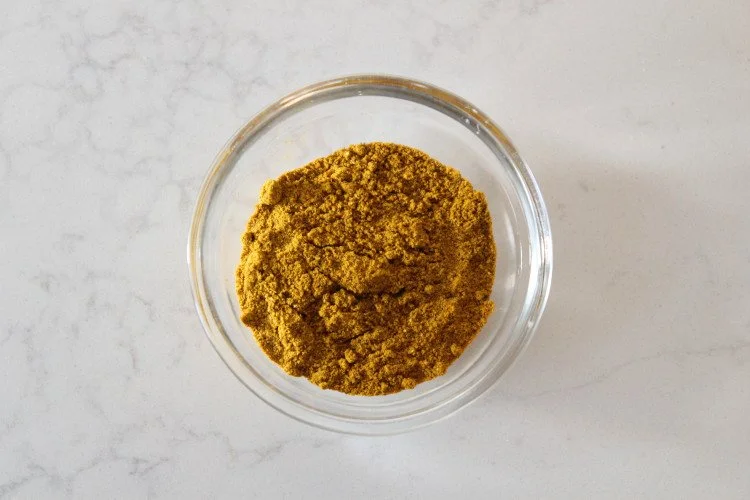
Curry powder is controversial, straight up. There is no one unique curry powder, each curry powder is going to depend heavily on where the curry originates from —Thailand, India, Japan all have different curries. And not only that, but different regions within these countries are also going to have slight variants on what makes a curry powder. And then each family within each region is going to have a slightly different variant.
So what is in curry powder? If you live in North America the curry powder you get is probably going to include cumin, pepper, ginger, coriander, fenugreek, cinnamon, and turmeric These spices will have been roasted and then ground up.
How much of each spice will be present? 🤷 That’s just one of nature’s great mysteries.
Curry Powder Bonus: Garam Masala
Garam Masala is related to curry powder in that it’s a spice blend popular in India. It, generally, contains similar spices, but also typically will include Indian bay leaves, fennel, and mace. Are they interchangeable? Not really, but we’ve seen people interchange them.
Herbs 🌿
Mint
Mint isn’t just for mojitos. It’s also a commonly used herb in Middle Eastern, Turkish, and Greek cuisines. Fresh mint has a bright and fresh flavor profile, while dried mint is more herbal and grassy. If you’ve never used fresh or dried mint in your cooking, you’re missing out!
Oregano
How do we even start on oregano? While it’s true that it’s a staple in Italian recipes, it’s so widely used that it feels wrong to pin it just to Italian cuisine. It’s native to the Mediterranean, so any style of cooking that originated there will likely utilize it in some form.
Use it for soups, stews, chilis, dry rubs, poultry seasonings, the list goes on. Anywhere you want a warm, earthy flavor.

Thyme
We always have a great thyme cooking together. (Okay, that was… bad.) Thyme, not to be confused with time, is a versatile herb. It’s often used when roasting meat or vegetables, and is also great in soups and stews. When using fresh thyme, the recipe may call for a bundle of thyme or a few sprigs of thyme to be added to the pot — you’ll take these out later, as they’re just there to impart flavor. If you need to get the leaves off the stem, hold it at the top and pinch your fingers on the stem, dragging them downward. The leaves should come off easily!
Dried thyme is great too. But we’re running out of time talking about thyme so we’re going to end it here. It’s an A++ herb. Use it.

Sage
Sage is a traditional component of a poultry blend (along with thyme and rosemary). Use it for giving roast chicken and turkey a great flavour.
Leaves of sage can also be fried in brown butter to make an excellent sauce for pasta!
Rosemary
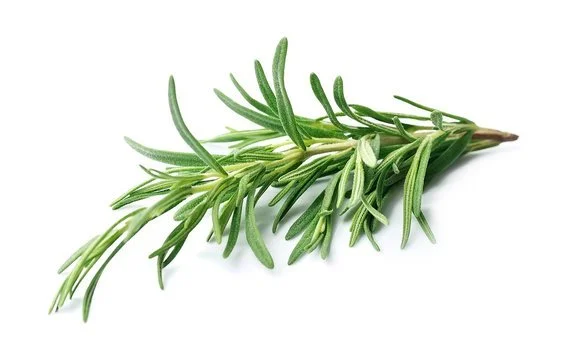
The final part of the traditional poultry blend. It is a very intense herb so use it sparingly and with caution!
It may remind you of an evergreen tree. (But it doesn’t taste like evergreen trees.)
Cilantro/Coriander
“Cilantro is the worst.” -Brittany
If you have the gene that makes cilantro taste like soap, welcome to the club.
If you don’t, well, enjoy never being surprised by cilantro when ordering a dish at a restaurant that didn’t have cilantro listed in the description on the menu. (Why do they do that!?)
If you live in North America, we call the plant cilantro and the dried seeds coriander. Everywhere else, both the leaves and the seeds are called coriander. (Why does North America have to be different? We don’t know.)
Trevor (the other person who writes for Mediocre Chef and doesn’t have the soap gene) says that cilantro tastes floral-y. Other people on the interwebs say it's fresh and citrusy. Let us know what you think cilantro tastes like in the comments below.
Tarragon
Tarragon is an herb that we haven’t used too much here at Mediocre Chef. It has a slight anise (black liquorice) flavor to it that can help cut through creamy sauces. It’s very popular in French, European, and Russian cuisine.
Basil
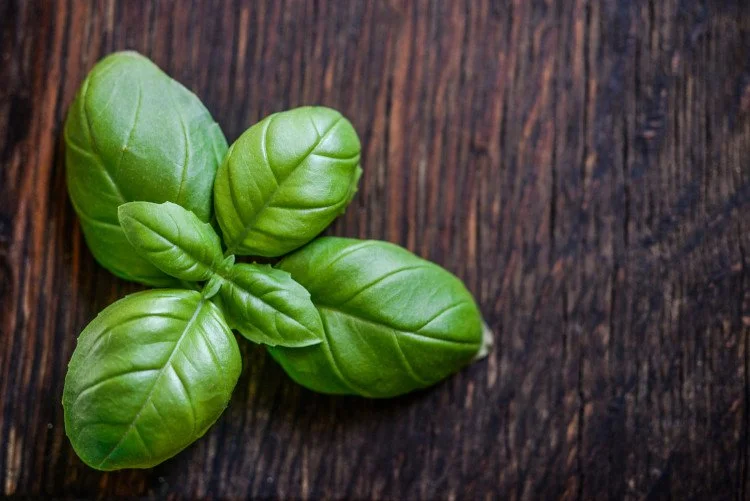
Not a lot of things beat fresh basil. Caprese salad, basil pesto pasta, and Margherita pizza… we’re drooling a little just thinking about it. It’s fresh and bright and herby. There’s a reason why Italians love this stuff!
There are a lot of varieties of basil that we won’t cover in this post, but a few ones to note include: Thai basil (used in Thai cuisine), lemon basil (delish), and purple basil (pretty).
If your dish features canned tomatoes, dried basil is your friend. If your dish features fresh tomatoes, fresh basil is your friend. It’s that simple. (We’re sure it’s actually a lot more complex and there are other things that basil is good with but just know that it’s good with tomatoes, okay?)
Parsley
Parsley is a wildly versatile herb. You can use the leaves to add a pop of freshness to most dishes (soups especially). You can use the stems similarly, or you can throw them into a stock pot the next time you’re making stock. Parsley also has the added bonus of being a very large component of one of our favorite pasta dishes — pasta aglio e olio.
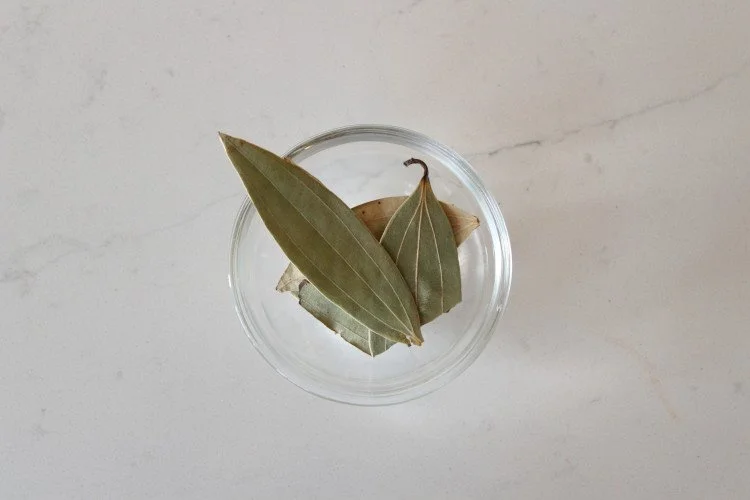
Bay Leaves
You may have thought to yourself, “WTF do bay leaves even do?” We sure have.
Some people will say that bay leaves add a rich and savory flavor. Others will say bay leaves are used to help blend and deepen flavors (when used in a soup or stew) and act as a flavor enhancer.
The jury is out on this one — the next recipe you make that calls for bay leaves, try making it one time with and another time without and see if you notice a difference!
Other Flavor Boosters ✨
These things aren’t herbs and spices, but they make things taste good.
MSG
Monosodium glutamate (MSG) has a bad rap because of bad science. It’s not bad for you though — it’s a naturally occurring amino acid.
MSG is in a lot of things you already eat such as tomatoes and parmesan cheese. It’s also found in the ingredients list on your favorite brand of instant ramen, and even common snacks such as Doritos.
Why does fast-food taste so good? It’s probably MSG. (And salt.)
Bouillon
Bouillon comes in a bunch of different forms — blocks, cubes, paste. Take your pick. It’s essentially just concentrated/dehydrated stock. What people forget is that instead of adding water, you can add stock to add more flavour if your dish is plain. For example, if you want to make white rice taste better you can use stock to enhance the flavor of your rice!
We really like Better Than Bouillon (we’re not sponsored, just love them). Or if your name is Marco Pierre White, you like Knorr. 😉
Nutritional Yeast
If you’re vegan and you want to eat cheese, nutritional yeast is for you. To be honest, we don’t have much experience using nutritional yeast, so we’re not 100% certain what you can do with it other than it being a cheese substitute. Let us know if you have recipes that utilize it for something other than cheese approximation purposes.
FAQs About Herbs & Spices
-
It depends on what form it’s in. The general rule of thumb is:
Whole Spices: 3-4 years
Ground Spices: 2-4 years
Dried Herbs: 1-3 years
Don’t know how old your herbs and spices are? Taste them. Do they have flavor? No? Or it’s barely there? It’s time to say goodbye to them.
-
They’re old. See our answer above.
-
If the recipe calls for fresh herbs, use fresh herbs. If the recipe calls for dry herbs, use dry herbs.
On a more serious note, they can generally be swapped out. Because dried herbs have been dried (i.e. the water in them has been removed) the flavor will be concentrated thus they tend to be more intensely flavored than their fresh counterparts. So, if you’re using dried herbs, it’d be best to add them towards the beginning of the cooking process. If you’re using fresh herbs, it would be best to have them go in towards the end.
Of course, there is the obvious that needs to be said. If you’re making a fresh salad that uses herbs, it’s probably not a good idea to substitute in dried herbs.
That’s it. That’s the post. If you made it to the end, we’re proud of you. 🙌
We didn’t include every herb and spice under the sun — we know there are a lot more out there! We hope this starting point helps you branch out into trying new flavors.